Ever wondered what actually happens inside your mouth when you wear clear aligners? We explain the science, the technology, and what makes this treatment so effective.
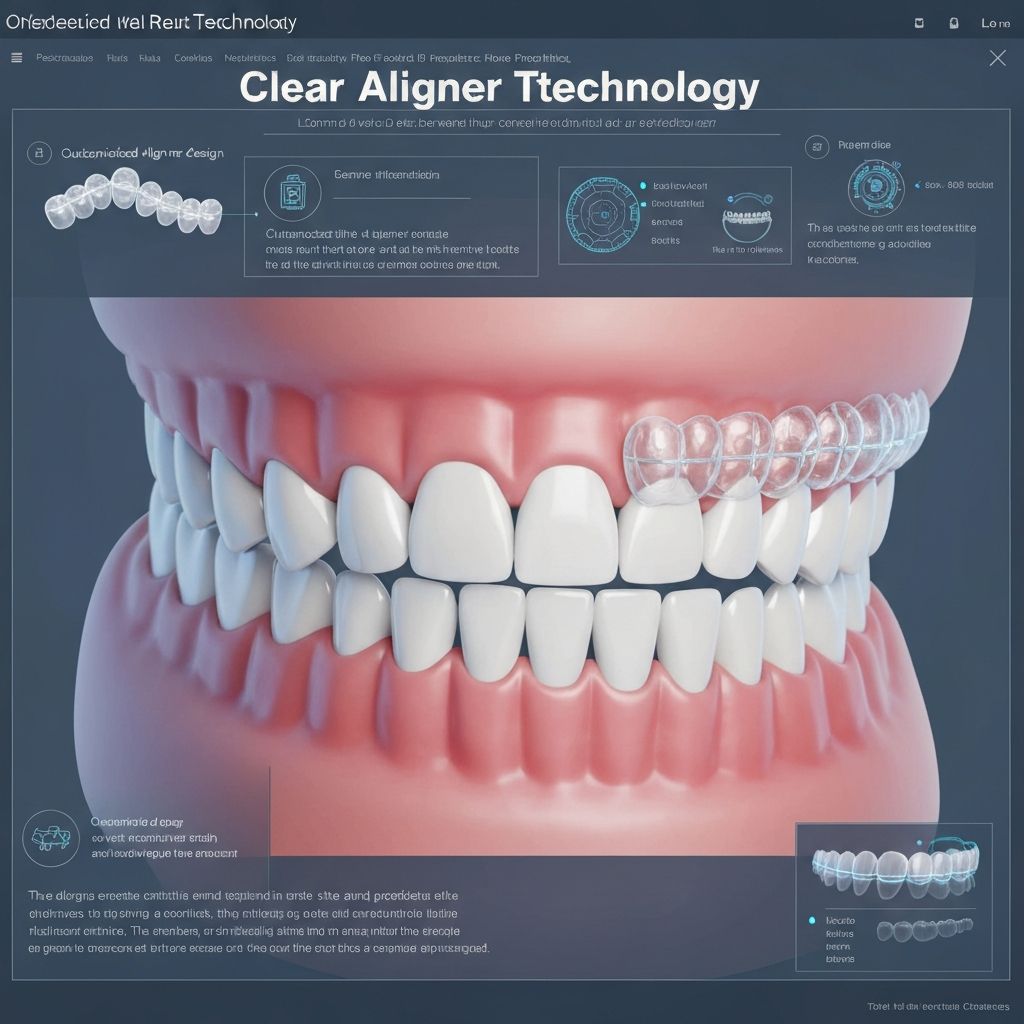
Clear aligners have transformed orthodontics over the past two decades — moving from a niche alternative to the most sought-after orthodontic treatment among adults worldwide. But how exactly do they work? What's happening to your teeth with each new tray? **The Starting Point: Digital Scanning and 3D Planning** Every clear aligner treatment begins with a precise digital record of your current tooth positions. At Dr. Ayman Zain's clinic in Mecca, we use a 3D intraoral scanner to capture an exact digital model of your teeth — no messy impression putty required. This digital model is then used to design a step-by-step treatment plan. Using specialized software, Dr. Ayman Zain maps out the precise movements your teeth need to make, the order in which they should move, and the final target position for each tooth. You can often see a digital simulation of your final result before treatment even begins. **Manufacturing Your Custom Trays** Once the treatment plan is finalized, a series of custom aligners is manufactured — each one slightly different from the last, representing the next small step in your tooth movement journey. The trays are typically made from a medical-grade, BPA-free polyurethane plastic that is smooth, clear, and highly accurate in fit. **The Biomechanics: How Teeth Actually Move** Each aligner is designed to apply gentle, controlled pressure to specific teeth at specific points. This pressure stimulates the bone surrounding the tooth root — a process called bone remodeling. On the pressure side of the tooth, bone cells called osteoclasts break down bone tissue slightly. On the tension side, osteoblasts lay down new bone. This dual process allows the tooth to physically move through the jaw bone over time. The movement per aligner set is typically 0.1 to 0.3 millimeters — small enough to be comfortable, large enough to be meaningful when accumulated across a full series of trays. **The Role of Attachments** For more complex movements — rotating a tooth, moving it vertically, or correcting a significant bite issue — small tooth-colored composite resin bumps called attachments are bonded to certain teeth. These act as handles, giving the aligner additional grip and leverage to perform movements that wouldn't be possible with smooth surfaces alone. **Wearing Time and the 22-Hour Rule** The effectiveness of clear aligners is directly tied to wearing time. Aligners must be in your mouth for at least 20 to 22 hours per day. You remove them only to eat, drink anything other than water, and to brush and floss your teeth. Consistency is everything — skipping wear time, even for a few days, can cause a tray to no longer fit properly and delay your treatment. **Progressing Through Your Series** You'll typically switch to a new aligner tray every 1 to 2 weeks, depending on your treatment plan. Each tray builds on the progress of the last. You'll also have regular check-up appointments with Dr. Ayman Zain every 6 to 8 weeks to monitor your progress and address any issues. **Life After Aligners: Retention** Once your final tray is complete and your teeth are in their ideal positions, the treatment isn't over. Teeth have a strong memory — without retention, they will gradually drift back toward their original positions. Retainers — either clear removable trays worn at night, or a thin wire bonded behind your front teeth — are the essential final step to protect your results for life. Understanding how clear aligners work helps you get the most out of your treatment. Wear them consistently, attend your appointments, and the science will do the rest.
Key Takeaways
- Clear aligners offer a discreet and comfortable treatment option.
- Modern orthodontics uses advanced 3D technology.
- Adults can benefit from orthodontic treatment at any age.
- Consulting a specialist ensures the best treatment plan.
Conclusion
Choosing the right orthodontic treatment depends on your needs, lifestyle, and professional advice.