Good oral hygiene during orthodontic treatment isn't optional — it's essential. Learn the exact techniques, tools, and habits that protect your teeth and keep your treatment running smoothly.
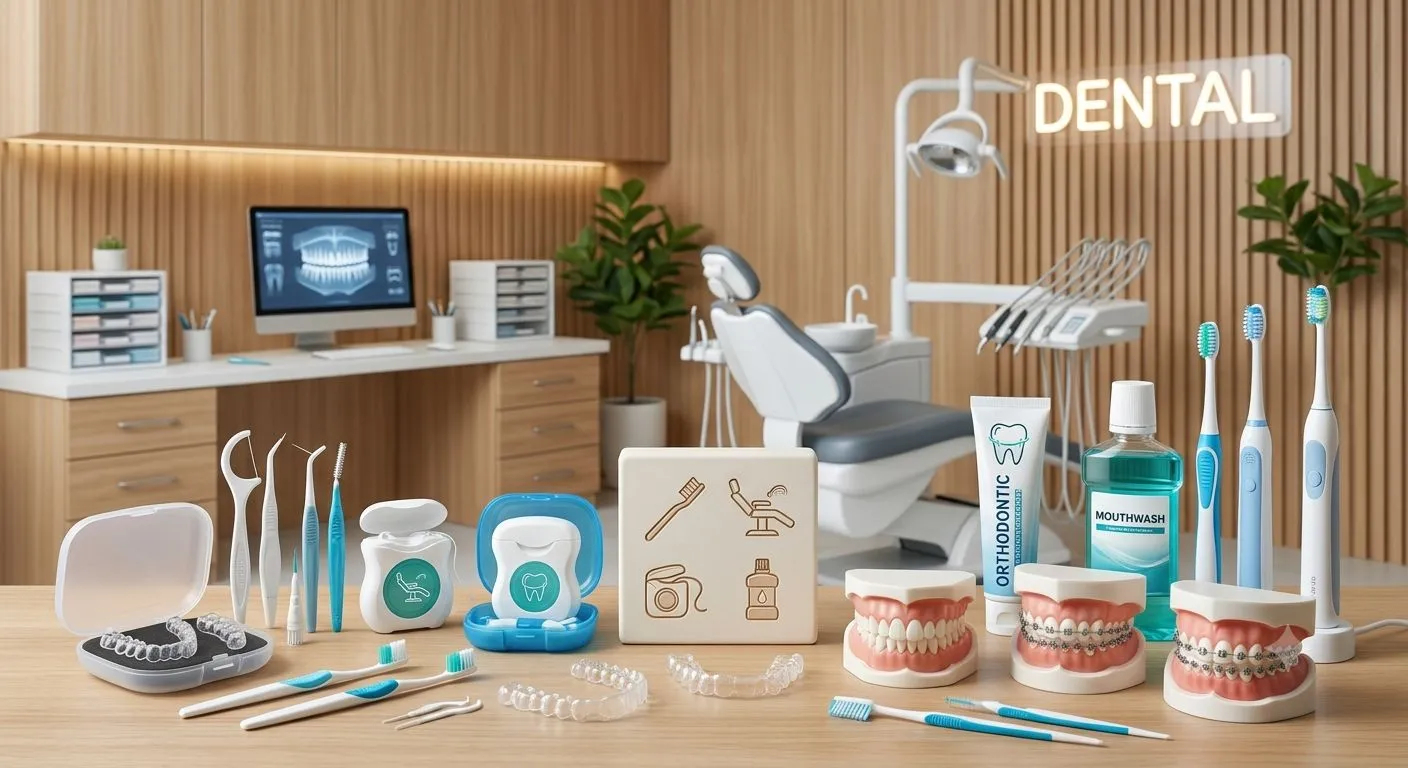
Orthodontic treatment is one of the best investments you can make in your smile — but it requires consistent effort to protect your teeth throughout the process. Whether you have braces or clear aligners, maintaining excellent oral hygiene is not optional. Here's a complete, practical guide. **Why Oral Hygiene Is More Challenging with Orthodontics** Traditional braces create dozens of new surfaces, gaps, and crevices where food particles and plaque can accumulate. Bacteria feed on this debris, producing acids that attack tooth enamel and irritate gum tissue. White spots (early decay), cavities, and gum inflammation are the most common consequences of poor hygiene during orthodontic treatment — and they can permanently damage your teeth even after your smile is straightened. Clear aligner patients face different but related risks: wearing trays over unbrushed teeth traps bacteria against enamel surfaces for hours at a time. **Essential Tools for Braces Patients** *Soft-bristle orthodontic toothbrush:* Use a brush specifically designed for braces, or an electric toothbrush with a round head. Brush at a 45-degree angle, cleaning below and above each bracket. *Interdental brushes (proxy brushes):* These small, cone-shaped brushes slide easily between brackets and under wires, reaching areas a regular toothbrush cannot. *Water flosser:* A water irrigator (like a Waterpik) uses a pulsing stream of water to flush debris from between teeth and around brackets. Highly recommended and very effective. *Dental floss with a threader or orthodontic floss:* Threading floss under the archwire allows you to floss between every pair of teeth. Do this at least once daily, ideally before bed. *Fluoride mouthwash:* Rinse with a fluoride mouthwash daily to strengthen enamel and reach areas the brush misses. **Step-by-Step Brushing Technique for Braces** 1. Remove any rubber bands or removable appliances before brushing. 2. Rinse your mouth with water to loosen debris. 3. Apply a small amount of fluoride toothpaste. 4. Brush the tops of your brackets at a 45-degree angle downward. 5. Then brush the bottoms of your brackets at a 45-degree angle upward. 6. Brush the chewing surfaces of your back teeth. 7. Brush the inside surfaces of all teeth. 8. Use an interdental brush under each wire and between each bracket. 9. Rinse thoroughly. 10. Floss with a threader or water flosser. Total time: 4–5 minutes minimum. Do this after every meal and before bed. **Oral Hygiene for Clear Aligner Patients** *Before inserting trays:* Always brush and floss your teeth before putting aligners in. Any food or plaque trapped against teeth by the tray accelerates decay. *Clean your aligners regularly:* Rinse aligners every time you remove them. Clean them daily with a soft toothbrush and clear, unscented soap. Never use toothpaste — it is abrasive and will scratch and cloud your trays. Avoid hot water, which warps the plastic. *Don't eat or drink with aligners in:* Except for plain water. Food and colored drinks (coffee, tea, juice) stain and damage aligners. *Soak aligners weekly:* Use a dedicated aligner cleaning solution or retainer cleaning tablets once or twice per week for a deep clean. **Foods to Avoid with Braces** *Absolutely avoid:* Hard candies, ice, popcorn, nuts, whole apples and carrots (cut them first), bagels, pizza crust, hard bread, chips. *Eat carefully:* Corn on the cob (cut off the cob), ribs (cut the meat off), sticky foods in general. *Safe choices:* Soft foods, cooked vegetables, pasta, yogurt, eggs, soft bread, fish, cooked chicken. **How Often Should You Visit During Treatment?** In addition to your regular orthodontic appointments (every 6–8 weeks), we recommend continuing to see your regular dentist for professional cleaning and check-ups every 6 months. During orthodontic treatment, some areas are harder to clean at home, making professional cleaning especially important. Follow these guidelines consistently and your teeth will emerge from treatment as healthy and clean as possible — ready to showcase your beautiful new smile.
Key Takeaways
- Clear aligners offer a discreet and comfortable treatment option.
- Modern orthodontics uses advanced 3D technology.
- Adults can benefit from orthodontic treatment at any age.
- Consulting a specialist ensures the best treatment plan.
Conclusion
Choosing the right orthodontic treatment depends on your needs, lifestyle, and professional advice.