Many patients neglect their retainers — and end up watching years of work slowly undo itself. Here's why retention is non-negotiable, the types available, and exactly how to use them.
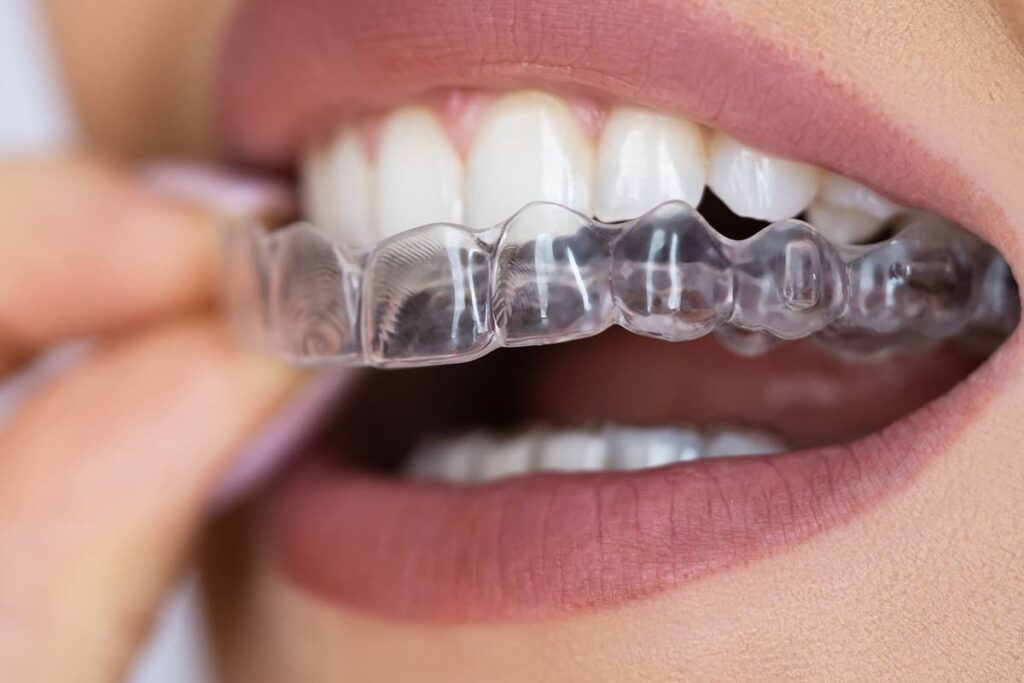
You've worn your braces or aligners faithfully. Your teeth are finally straight. The photos are taken, the celebration is real — and then the orthodontist mentions retainers. For many patients, this is where the journey goes wrong. **Why Teeth Move After Treatment** Teeth are not static objects embedded in rigid bone. They are dynamic structures held in place by a complex network of periodontal ligaments — elastic fibers that connect tooth roots to the surrounding bone. These ligaments have memory. After orthodontic treatment, they retain a "pull" toward the teeth's original positions for months and even years. This tendency is completely natural and happens to virtually everyone. It is not a sign that treatment failed — it is simply biology. Without something to counteract this pull, teeth will gradually drift back. The process is usually slow — millimeters over months and years — but it is relentless and cumulative. Patients who abandon their retainers early often find themselves needing retreatment within 5 to 10 years. **The Types of Retainers** *Removable clear retainers (Essix):* These look like thin, clear aligner trays and are the most commonly prescribed type. They are custom-made from your post-treatment impressions and worn only at night (every night, indefinitely). They are nearly invisible, comfortable, and easy to maintain. They need to be replaced every few years as they wear out. *Removable Hawley retainers:* These are the traditional acrylic-and-wire retainers that many people recognize from orthodontic stories. They are very durable, easy to adjust, and can last many years with proper care. Less aesthetic than clear retainers but highly effective. *Fixed (bonded) retainers:* A thin, smooth wire is bonded directly to the back surfaces of your front teeth — usually the six lower front teeth, and sometimes the upper front teeth as well. You cannot see or feel them from the outside. The advantage is that they provide 24/7 retention without any effort or compliance required. The disadvantage is that they require extra care when flossing (you'll need a threader or water flosser). They should be checked at every dental cleaning appointment. *Combination approach:* Many patients at Dr. Ayman Zain's clinic receive both: a fixed wire for the front teeth plus a removable clear retainer to wear at night. This provides excellent all-around retention. **How Long Must You Wear Retainers?** The honest answer: indefinitely. In the early phase (the first 6–12 months after treatment), retainers should be worn full time — 20 to 22 hours a day — gradually transitioning to nights only. After the first year, nightly wear is sufficient for most patients. But "nightly" means every night, not most nights. The idea that you eventually stop needing retainers is a myth. As we age, teeth continue to shift slowly due to normal jaw development, gum changes, and everyday chewing forces. Retainers are the only reliable way to prevent this. **Retainer Care and Maintenance** *Clean removable retainers daily* with a soft toothbrush and clear soap or a dedicated retainer cleaning solution. Never use toothpaste (it scratches) or hot water (it warps). *Store them properly* in their case when not in your mouth. Pets love to chew them; tables love to hide them. *Replace them when they become worn or don't fit correctly.* An ill-fitting retainer provides no retention and can actually apply pressure in the wrong direction. *Keep your bonded retainer clean* by using a water flosser and telling your dentist to check it at every appointment. **The Simple Truth** Orthodontic treatment costs time, money, and effort. Your retainer is what makes it permanent. Wearing it consistently is the simplest, cheapest, and most effective way to protect that investment for the rest of your life. Dr. Ayman Zain provides all post-treatment retainer options and will help you choose the right combination for your case during your treatment completion appointment.
Key Takeaways
- Clear aligners offer a discreet and comfortable treatment option.
- Modern orthodontics uses advanced 3D technology.
- Adults can benefit from orthodontic treatment at any age.
- Consulting a specialist ensures the best treatment plan.
Conclusion
Choosing the right orthodontic treatment depends on your needs, lifestyle, and professional advice.